
Thermoplastic Elastomer Injection Molding: Why Process Stability Matters

Melt-processable elastomers offer flexible end-use behavior, but their quality depends on controlled heating, filling, cooling, and release. Their viscosity changes with temperature and shear, making material preparation and injection response important to part quality. The practice of injection molding rubber materials such as TPE and TPV requires a process window matched to the selected grade and geometry.
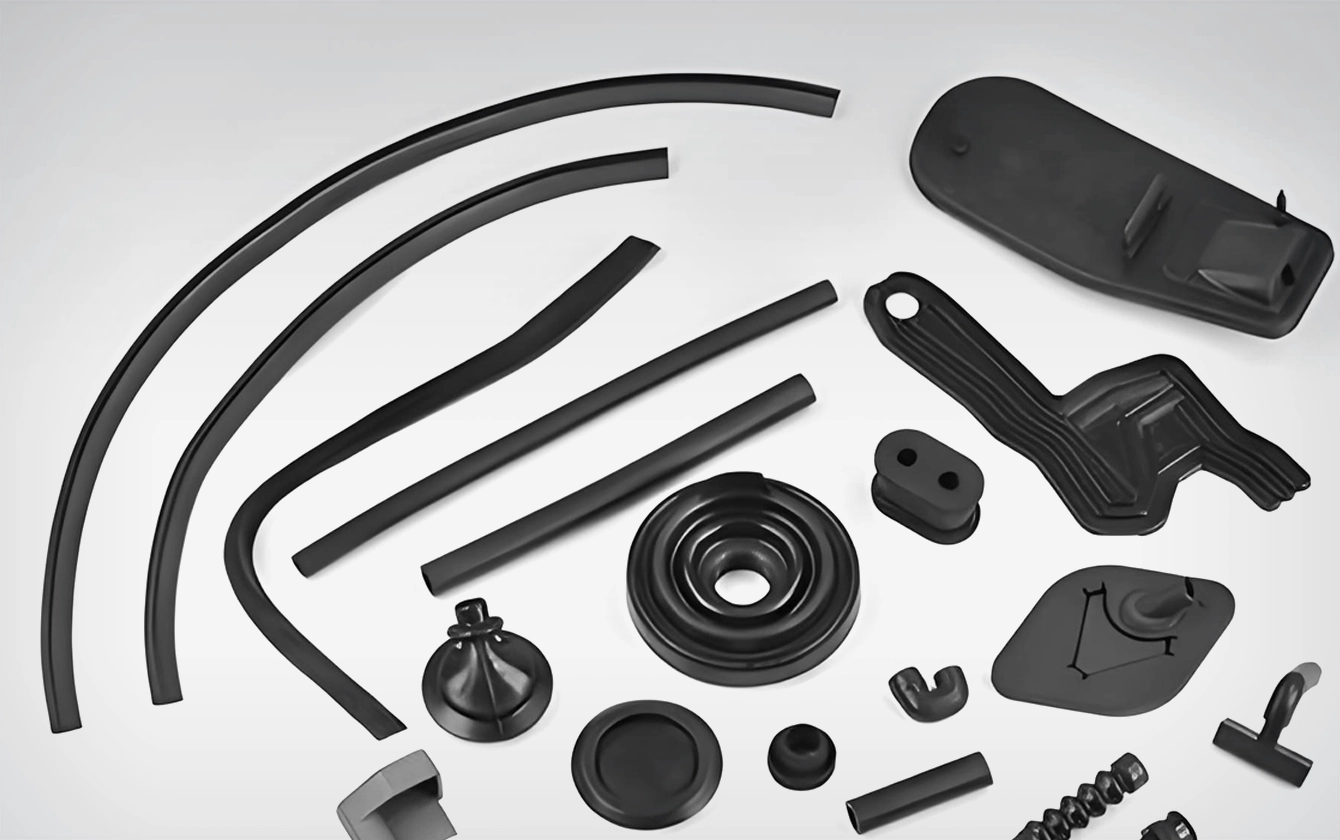
Thermoplastic elastomer injection molding can support fast, automated production, but speed does not replace control. Drying where required, melt temperature, injection pressure, fill rate, holding, mold temperature, cooling, and demolding must remain consistent for each approved compound and product.
Material condition affects every later stage
Hardness alone does not predict TPE processing behavior; melt flow, thermal stability, shrinkage, bonding, and cooling response also shape the usable window. Supplier processing data provides a starting point, while factory trials establish the actual range for the mold and machine. Substituting a grade without validation can change filling and dimensions.
Dekuma identifies melt flow, injection pressure, molding temperature, and cooling time as major material-dependent variables. Its RV-Se platform is configured for TPV, TPE, flexible modified PVC, and other suitable injection-moldable compounds used in automotive and industrial applications.
Storage and preparation should be controlled by material lot. Moisture, contamination, regrind ratio, and ambient temperature may influence processing. Clear release rules keep automation from feeding material that has not met the approved preparation condition.
Material changeovers need documented purging and verification. Residue from a prior color or formulation may affect appearance, bonding, or properties. First-off samples should be inspected before the automatic cell resumes unrestricted production.
Servo control manages pressure and flow
In thermoplastic elastomer injection molding, the filling stage may require rapid response followed by controlled deceleration and holding. The RV-Se uses pressure sensors, a servo motor, encoders, and PID control to compare actual pressure and flow with target values.
Fast response can help fill thin or distant features before the melt cools, but excessive speed may trap air or create flash. Transfer position and holding pressure should be developed through short-shot studies, part weight, dimensions, and visual evidence rather than intuition alone.
Servo pump output follows the process demand. This reduces unnecessary energy use compared with constant-output operation under the stated comparison conditions. Energy results should be measured per acceptable part and include heating, cooling, auxiliaries, idle time, and scrap.
Pressure trends can also support maintenance. A rising demand for the same fill may indicate a colder melt, restricted path, material change, or machine issue. Engineers should compare pressure with temperature and quality before altering the recipe.
Cooling controls dimensions and capacity
Unlike vulcanizing rubber, thermoplastic elastomers generally solidify through cooling. Mold temperature, channel balance, coolant flow, and part thickness influence the time needed for safe ejection. Removing a part too early can cause deformation even when filling was correct.
A rubber injection molding machine configured for these materials must coordinate injection and cooling with mold opening and handling. Robots or ejectors should support soft parts at appropriate locations. End effectors that concentrate force can mark a surface or distort a still-warm profile.
Cooling time should be optimized through dimensional stability and downstream handling evidence. An unnecessarily long setting reduces capacity; an aggressive reduction may transfer distortion to inspection or assembly. Cavity-specific measurements reveal imbalance that a single cycle average can hide.
Mold wear and deposits can gradually change release and heat transfer. Cleaning intervals should follow observed condition and defect trends. Water circuits, filters, seals, and temperature sensors also need preventive maintenance to preserve the approved cooling behavior.
Data and discipline sustain stability
Recipe records should link material grade and lot with melt temperature, pressure profile, speed, holding, mold temperature, cooling time, and inspection results. Controlled access prevents undocumented changes, while revision notes explain why an approved adjustment was introduced.
Automation alarms need clear disposition rules. Parts produced during temperature deviation, interrupted filling, or uncertain cooling should be identified for evaluation. Restart procedures must confirm that the melt and mold have returned to stable conditions.
Process stability in thermoplastic elastomer injection molding comes from controlling variation at its source. Material preparation, responsive hydraulics, balanced filling, uniform cooling, careful demolding, and traceable recipes together provide a reliable basis for automated production and systematic improvement.
A rubber injection molding machine used for TPE should also be evaluated through screw recovery, dosing consistency, and residence-time control. Irregular recovery can change the next shot even when injection settings remain unchanged. Trending recovery time and cushion position provides additional evidence of feed, check-valve, or material variation.
Tool qualification should establish cavity balance at startup and after major maintenance. Pressure or temperature changes that appear beneficial in one cavity may worsen another. A defined study using weights, dimensions, and visual results prevents process settings from being optimized around an unrepresentative position.
Downstream conditions matter as well. Parts stacked, conveyed, or assembled before complete stabilization can deform outside the press. Handling trials should establish support, spacing, and waiting time so the validated molding cycle remains effective through inspection and packing. This complete approach to injection molding rubber materials protects both process speed and finished-part stability. Dekuma’s material-specific approach reinforces that baseline.