
LED Strip Lighting Explained: Essential Knowledge for Better Project Planning

The growing use of linear illumination across commercial, residential, and industrial environments has made LED strip technology an increasingly versatile part of modern lighting design. Its compact construction allows light sources to fit into architectural recesses, display structures, furniture, and spaces where conventional fixtures may be difficult to install. Yet the visual result depends on much more than the strip itself.
Voltage, LED configuration, heat dissipation, cutting intervals, and environmental protection all influence how a system performs. Working with an experienced LED strip supplier can help project buyers understand these technical differences before deciding which lighting configuration suits their application. LEDIA Lighting operates in this manufacturing sector, offering LED strip products for different installation requirements.
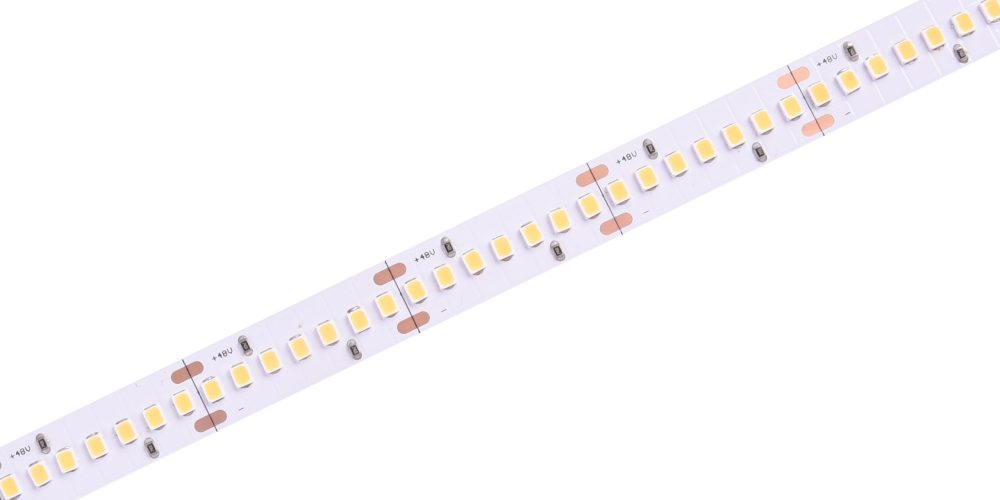
How LED Strip Technology Produces Consistent Illumination
LED strips consist of light-emitting diodes mounted on a flexible printed circuit board (PCB), with electrical components arranged to control current distribution. Their compact structure makes them suitable for installations where traditional luminaires may occupy too much space. Depending on the circuit design, LED density, and power configuration, strips can produce anything from subtle decorative illumination to brighter supplementary lighting for functional areas.
The arrangement of individual diodes has a noticeable effect on the appearance of the illuminated surface. Traditional SMD strips use separately packaged LEDs, while COB technology integrates numerous LED chips closely together to create a more continuous luminous line. A COB flexible LED strip can be useful in installations where visible light points would detract from the intended appearance, such as shallow display channels, decorative recesses, and exposed architectural details. The final optical effect still depends on diode density, diffuser material, and the distance between the strip and the viewing surface.
Electrical efficiency and thermal management also deserve attention. Although LEDs generally consume less energy than many conventional lighting technologies, their semiconductor components generate heat during operation. A suitable mounting surface, adequate ventilation, and compatible power supply help maintain stable operating conditions. Aluminum profiles are frequently used because they provide structural support while assisting heat transfer away from the flexible circuit board.
Understanding Voltage, Cutting Intervals, and Installation Length
Voltage selection affects how an LED strip distributes electrical power across its length. Common low-voltage configurations include 12V and 24V DC, while certain specialized systems use higher DC voltages. A higher operating voltage can reduce current for the same power level, potentially helping to manage voltage drop across extended circuits. However, actual performance depends on conductor resistance, circuit design, strip wattage, and connection arrangements.
Cutting intervals determine how precisely a strip can fit a particular installation. Conventional products contain designated cutting points based on their electrical circuit layout, meaning the strip can only be shortened at specific points. Shorter intervals offer greater flexibility for furniture details and compact architectural features, whereas longer continuous runs may be more important in commercial installations. Project drawings should account for these restrictions before materials are ordered.
Extended installations require additional planning because voltage drop can cause brightness differences along the strip. The effect becomes more noticeable when high-power products operate over long distances or when undersized cables are used. Parallel power injection, suitable conductor dimensions, and correctly positioned power supplies can help maintain more consistent output. Buyers should examine the manufacturer’s recommended maximum run length rather than assuming that every strip can operate continuously over the same distance.
Evaluating LED Strip Specifications and Product Configurations
A product specification sheet provides the technical information needed to compare different lighting options. Important details include rated voltage, power consumption per meter, luminous flux, LED type, color temperature, CRI, cutting interval, and maximum operating length. These figures should be considered together because a higher wattage does not automatically indicate better illumination. Luminous efficacy, measured in lumens per watt, offers another useful reference when comparing energy consumption with light output.
Environmental protection is equally relevant to product selection. The IP rating identifies the degree of protection against solid particles and water under specified test conditions. IP20 products are generally intended for dry indoor environments, while IP65, IP67, and IP68 configurations offer different levels of protection against dust and water exposure. The precise installation suitability depends on the manufacturer’s testing conditions, connector protection, and the actual environment. Outdoor projects may also require consideration of ultraviolet exposure, temperature fluctuations, and weather-resistant installation materials.
One example from LEDIA Lighting is its 48V Series, which is designed around extended lighting runs and shorter cuttable intervals. The series uses high-quality LM80-certified 2835 SMD LEDs and offers IP20, IP65, IP67, and IP68 protection options. These characteristics provide useful reference points for projects requiring longer strip layouts, flexible cutting arrangements, or different environmental protection levels. Buyers should consult the relevant model specifications for exact wattage, luminous output, cutting distance, and maximum run length before finalizing a design.
Conclusion
Successful LED strip installations depend on matching the technology to the physical and electrical conditions of the project. Diode configuration influences light appearance, voltage affects circuit planning, cutting intervals determine installation flexibility, and IP ratings help establish environmental suitability. These considerations provide a useful framework for evaluating products beyond their initial appearance or quoted price.
With its 48V product range and broader manufacturing capabilities, LEDIA Lighting offers options for buyers investigating different strip lighting configurations. A technically informed purchasing process, supported by clear documentation and sample evaluation, helps project professionals identify an appropriate COB flexible LED strip and build a more reliable relationship with their chosen LED strip supplier.