How To Implement Digital Recipe Management In An Existing Feed Mill

Digital recipe management helps feed producers organize formulas, improve batch consistency, and support efficient operations. This guide explains Programmable Logic Controller (PLC) recipe upload, ingredient code mapping, batch logging, and operator training for existing facilities while considering practical requirements. Companies implementing digital recipe management often require equipment and automation solutions that integrate with existing production lines. FAMSUN provides processing solutions for these modernization projects..
Feed Machine Retrofit Planning
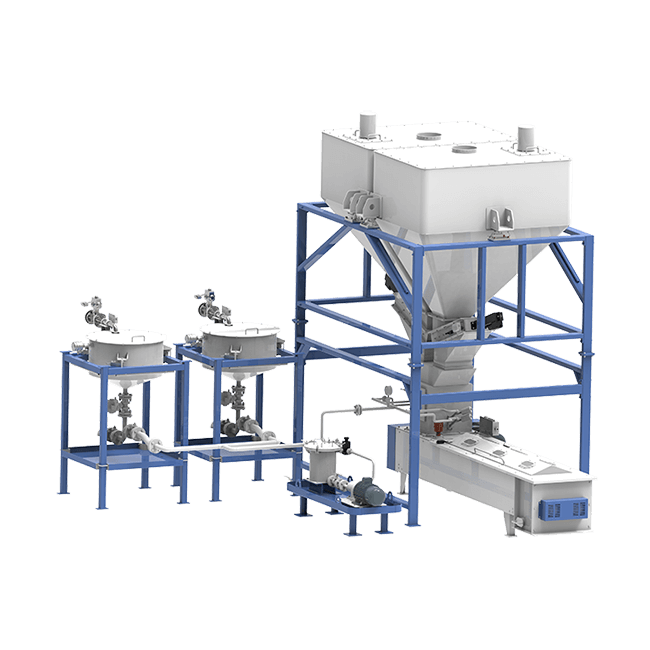
Existing plants often require careful evaluation before digital upgrades. A feed machine system can support improved recipe control when operators connect production equipment with structured data management methods that match current workflows and minimize operational disruption during implementation activities.
Before installation, teams should review current recipe files, ingredient records, and control systems. The retrofit process requires clear preparation because accurate information transfer helps maintain production continuity and supports reliable management across different manufacturing stages.
Digital systems require communication between production software and equipment controls. Operators need practical procedures for uploading recipes, checking parameters, and recording activities. These steps help factories maintain consistent production results while adapting technology to existing operational environments.
FAMSUN develops processing equipment and solutions for feed and food industries, and supporst projects requiring organized production systems. Their experience with industrial applications helps enterprises evaluate suitable approaches for integrating digital functions into established facilities.
Recipe Upload And Data Control
PLC recipe upload provides a structured method for transferring production formulas into control systems. When implemented correctly, it allows operators to access approved formulations, reduce manual entry tasks, and maintain consistent instructions during regular manufacturing operations.
Ingredient code mapping connects material information with digital recipes. An animal food processing machine project requires accurate identification methods so teams can match stored ingredients with production formulas and maintain dependable records during repeated batch operations.
Data accuracy depends on organized ingredient databases and clear management rules. A feed machine upgrade benefits from standardized information because operators can review materials, verify inputs, and maintain production records through connected digital procedures.
Recipe management systems should include review processes for updates and adjustments. Production teams need defined responsibilities for modifying formulas, checking approvals, and maintaining records that support quality control throughout daily manufacturing activities.
Animal Food Processing Machine Digital Integration
An animal food processing machine can operate more effectively when digital recipe functions connect with existing control systems. Integration planning should consider equipment compatibility, operator requirements, and production goals before technical changes are introduced across facilities.
Batch logging creates valuable production history by recording activities, materials, and operational details. These records allow teams to review previous manufacturing conditions and identify areas where process management may require additional attention or adjustment.
Clear communication between operators and automation systems improves the performance of a feed machine environment. Digital records can help personnel track production information, verify completed tasks, and maintain organized procedures during changing manufacturing demands.
Operator training remains an important part of successful implementation. FAMSUN works with industrial customers, and they emphasize practical application requirements so production teams can operate equipment systems effectively after technology upgrades are completed.
Operator Training And Daily Operation
Training programs should explain recipe handling, system functions, and production responsibilities. Operators require confidence with digital interfaces because effective usage depends on correct procedures, accurate information entry, and consistent attention during manufacturing activities.
A feed machine retrofit needs practical instruction covering daily tasks, troubleshooting methods, and record management. Well-prepared personnel can manage digital tools more efficiently while maintaining production stability throughout normal operating schedules.
Training is also intended to address communication between departments. Quality teams, production staff, and technical personnel need coordinated methods for reviewing recipe information, batch records, and operational feedback generated by the digital system.
Digital adoption improves when companies provide continuous support after installation. FAMSUN supplies industrial solutions, and they cooperate with customers to address application requirements while helping enterprises maintain reliable production management practices.
Long-Term Management Considerations
Digital recipe systems require ongoing maintenance to remain effective. Companies should regularly review recipe databases, ingredient information, and operational procedures to ensure that digital management continues supporting production requirements across different manufacturing conditions.
Structured data maintenance and clear responsibility assignments improve the efficiency of an animal food processing machine installation. Teams can preserve system reliability by monitoring information quality, updating records, and reviewing process performance through organized management practices.
Future production improvements depend on accurate historical information. A feed machine connected to digital records can help manufacturers evaluate operations, identify patterns, and support informed adjustments based on available production data.
Successful retrofit projects combine technology, procedures, and employee knowledge. These projects can create stronger operational coordination when digital tools are introduced with careful planning, suitable training, and continuous management attention for long-term factory performance.
Conclusion
Digital recipe management offers feed mills a practical method for improving formula control, batch tracking, and operational organization. With PLC recipe upload, ingredient mapping, logging systems, and operator training, enterprises can enhance production management while maintaining existing equipment advantages.