How Blockchain Is Being Explored For Feed Ingredient Traceability

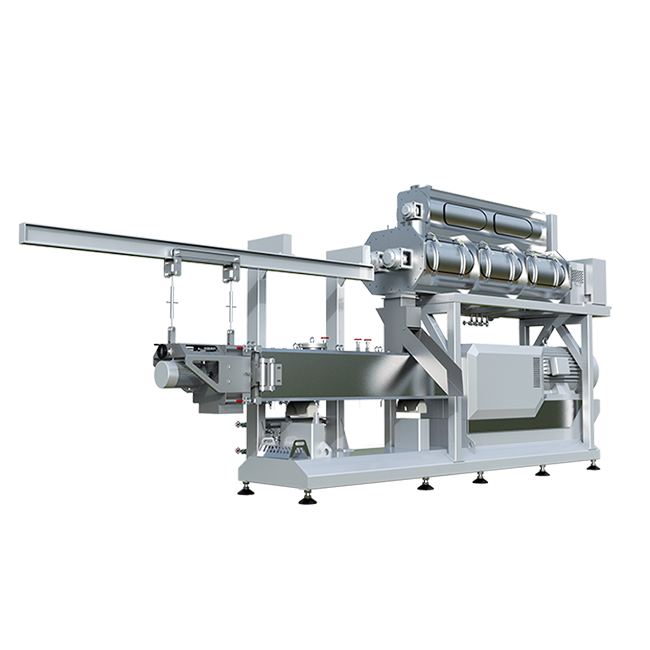
Feed ingredient traceability increasingly depends on more than paper records and isolated databases. As soy, fishmeal, vitamins, and other inputs pass through several suppliers, processors, warehouses, and feed plants, maintaining a reliable chain of information becomes more difficult. Feed mill equipment manufacturers are increasingly part of a broader digital transformation in which production data can be connected with sourcing records. FAMSUN’s focus on digital agriculture and supply-chain traceability reflects this wider movement toward more transparent food and feed production.
Why Ingredient Traceability Is Becoming More Complex
Modern feed formulations may contain raw materials sourced from different countries and processed by multiple companies before reaching a mill. Soymeal, for example, can move from agricultural production to crushing facilities, exporters, storage terminals, and feed manufacturers. Fishmeal follows another path, often involving fishing, processing, transportation, and quality inspection.
Vitamin premixes create additional complexity because their supply chains can involve specialized chemical or nutritional manufacturers. Each stage generates information about origin, lot identification, testing, handling, and transportation. If those records remain separated, tracing one ingredient back to its original source can require substantial manual investigation.
Traditional databases can store this information, but data ownership remains an important issue. One participant may modify its own records without giving other parties direct visibility into the underlying history. Blockchain is being explored as a way to create shared records in which authorized participants can review transaction history across organizational boundaries.
How Distributed Ledgers Connect Supply Chain Events
Blockchain uses distributed ledger technology to record transactions across participating systems. Rather than relying on one central database controlled by a single organization, multiple authorized parties can maintain synchronized copies of relevant information.
Ingredient traceability can be structured around events. Supplier registration, quality testing, shipment departure, warehouse receipt, production batching, and finished-feed packaging can each generate a digital record. A batch identifier then provides the connection between those events.
Such architecture can be especially useful when several companies contribute data to the same supply chain. A soy supplier might record the origin and lot number, while a processor adds crushing information and a logistics provider contributes shipment details. Once the feed plant receives the material, its production records can be associated with the same digital identity.
Tracking Soy From Source To Feed Plant
Soy traceability illustrates how distributed records could work in practice. Farm or regional sourcing information may first be associated with a defined soybean lot. Processing facilities can then attach crushing dates, quality measurements, and resulting meal identifiers to that record.
Transportation introduces another layer. Shipment numbers, loading dates, storage locations, and receiving information can be linked to the ingredient identity without requiring every company to maintain identical internal software.
Once soybean meal reaches production, the corresponding lot can be associated with a formulation and batch number. This creates a digital path from sourcing through processing and into feed manufacturing. Feed machine systems could eventually exchange selected production information with traceability platforms, allowing ingredient identity to remain connected with the physical batch.
Extending The Model To Fishmeal And Vitamins
Fishmeal presents different traceability requirements because source information may involve fishing areas, species, landing locations, processing facilities, and sustainability documentation. Blockchain does not replace those inspections; instead, it can provide a shared structure for storing evidence generated at each stage.
Vitamin ingredients follow yet another pattern. Their records may emphasize manufacturer information, specification data, batch numbers, certificates, and expiration dates. Connecting these details to a common identifier can make downstream verification more organized.
Data quality remains critical regardless of the technology used. Blockchain can preserve recorded information, but it cannot independently determine whether every piece of submitted information is accurate. Physical inspections, laboratory testing, supplier audits, and controlled data-entry procedures still have important roles.
From Ingredient Records To Finished Feed
Traceability becomes more valuable when ingredient records are connected with actual production events. Once a material enters a feed mill, its lot number can be associated with a formulation, mixing batch, processing line, and finished-product package.
Such connections can support targeted investigations. If a quality concern is discovered in one ingredient lot, production records may help identify which feed batches used that material. Conversely, questions about a finished-feed batch can be traced backward toward the ingredients incorporated during manufacturing.
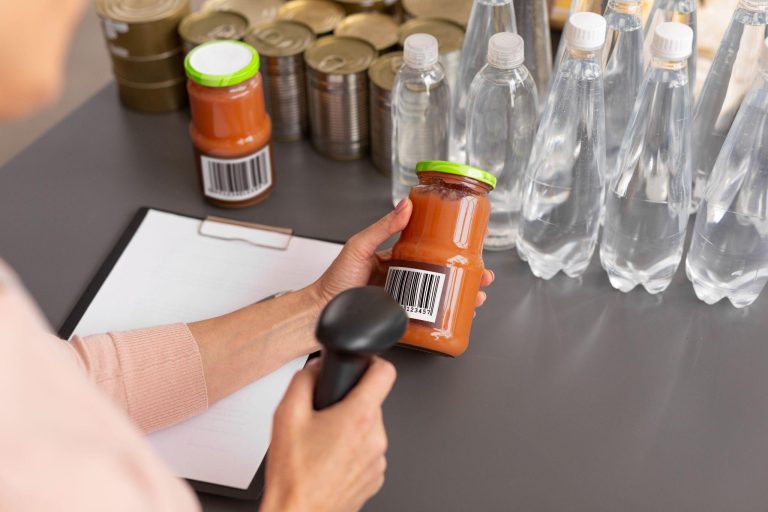
Digital identifiers can also support QR codes or RFID labels at selected points in the supply chain. Blockchain functions as the shared record layer, while scanning technologies provide practical methods for capturing physical movements and linking them with digital information.
Practical Limits And Adoption Considerations
Successful implementation depends on participation across the supply chain. If only one company records information while upstream suppliers continue using disconnected systems, the resulting traceability network remains incomplete.
Data standards also matter. Supplier names, ingredient codes, lot numbers, timestamps, testing results, and shipment references need consistent definitions before different platforms can exchange information effectively. Otherwise, technically connected systems may still produce fragmented records.
Cost and governance deserve attention as well. Smaller suppliers may need simpler interfaces, while larger organizations may require integration with ERP, laboratory, warehouse, and production-control platforms. Clear rules should define who can submit, verify, correct, and access different categories of information.
Conclusion
Blockchain has drawn interest in feed ingredient traceability because it offers a shared record across organizations, linking events that otherwise remain scattered across different systems. Soy, fishmeal, and vitamin supply chains demonstrate how source information, testing data, logistics records, and production batches could become part of one traceable history. Technology alone cannot validate every data point, so laboratory controls, supplier verification, and sound information governance remain essential.
For feed mill equipment manufacturers, the opportunity extends beyond physical processing: digital production systems can become another link between raw-material identity and finished-feed records. FAMSUN’s emphasis on digital innovation and supply-chain transparency fits within this broader development, where feed machine connectivity may increasingly support data continuity from ingredient intake to packaged feed.