
Testing Google Pay Deposits at Online Casinos: Speed, Limits, and Real Experience

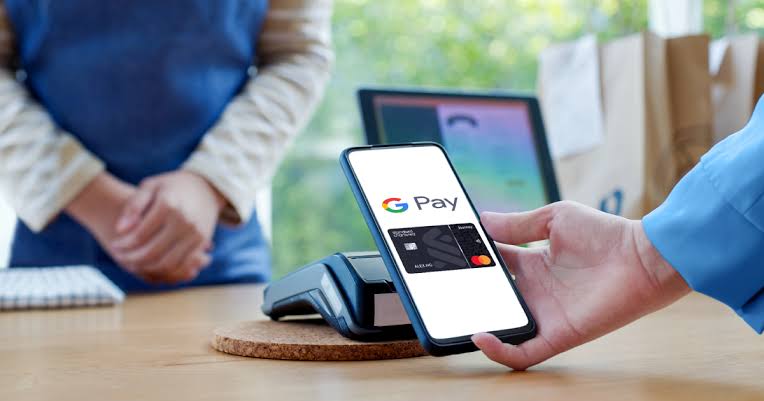
I test casino payment methods for a living. Not theoretically — I make real deposits, time them, document the fees, and track what actually happens versus what casinos claim on their payment pages. Over the past several months, I’ve put Google Pay through its paces at multiple Canadian-facing casinos. Here’s what I found.
The Testing Methodology
Before diving into results, let me explain my process. For each casino, I make three deposits at different amounts (small, medium, and near the stated maximum). I document:
- Time from initiating payment to funds appearing in my casino balance
- Any fees charged by the casino or appearing on my bank statement
- The actual deposit limits versus advertised limits
- Whether the same card works via Google Pay when it gets declined as a direct card payment
- Withdrawal options available after depositing via Google Pay
I test on both Android and desktop Chrome browser, since Google Pay works on both platforms.
Deposit Speed: Consistently Impressive
The headline finding: Google Pay deposits were the fastest of any payment method I’ve tested at Google Pay casino sites.
Across all test deposits, the average time from tapping the Google Pay button to seeing funds in my casino balance was 8 seconds. The fastest was 4 seconds. The slowest was 22 seconds, at a site that displayed an additional confirmation screen.
For context, credit card deposits at the same casinos averaged 25-40 seconds — not because the processing was slower, but because manual card entry takes time. The actual bank authorization happens in roughly the same timeframe for both methods. Google Pay’s speed advantage is entirely in eliminating data entry.
On mobile devices, the difference is even more pronounced. Typing a 16-digit card number on a phone screen, especially if auto-fill doesn’t trigger, can take 60-90 seconds including error corrections. Google Pay reduces that to a single biometric confirmation.
Fees: Zero Across the Board
In my testing, not a single casino charged a fee for Google Pay deposits. This matches the standard for card-based deposits — most Canadian casinos absorb payment processing fees regardless of the method.
On the bank statement side, Google Pay deposits coded identically to regular card purchases through the underlying Visa or Mastercard. No cash advance coding, no special fees from my bank. This is significant because direct credit card deposits at casinos sometimes trigger cash advance coding, which carries immediate interest charges and higher rates.
The reason is technical: Google Pay’s tokenization means the transaction appears to the bank as a standard card purchase rather than a gambling-specific transaction. The merchant category code may still identify it as gambling, but the processing pathway avoids the cash advance designation.
Deposit Limits: The One Weak Spot
Deposit limits were the most inconsistent aspect of my testing. Different casinos set different maximums for Google Pay, and the limits were almost always lower than for direct bank transfers or eChecks.
Here’s what I found across my test sites:
- Minimum deposits: $10-$20 (standard across all methods)
- Maximum single deposit: $1,000-$5,000 (varied widely by casino)
- Daily limits: $2,000-$10,000
The limiting factor isn’t Google Pay itself — it’s the underlying card. My Visa with a $5,000 daily gambling limit translated directly to a $5,000 Google Pay limit. When I tested with a debit card that had a lower limit, the Google Pay maximum dropped accordingly.
For players making deposits under $1,000, this is a non-issue. For high-rollers or serious players, Google Pay works better as a quick top-up method alongside a higher-limit primary deposit option like eChecks or bank wire.
The Decline Rate Difference
Here’s a finding that surprised me: Google Pay had a noticeably lower decline rate than direct credit card deposits at the same casinos.
I tested three cards that had previously been declined for direct casino deposits. Two of those three cards worked successfully when used through Google Pay. My theory is that tokenization changes how the transaction is routed through the card network, potentially bypassing some of the gambling-specific filters that banks apply to direct card transactions.
I want to be clear: this isn’t guaranteed, and I’m not suggesting Google Pay as a workaround for banking restrictions. But the empirical result was consistent enough across multiple tests to be worth noting.
Withdrawal Reality Check
None of the casinos I tested supported Google Pay withdrawals. Every single one required an alternative withdrawal method — typically bank transfer, eCheck, or a separate e-wallet.
This is the biggest practical limitation of Google Pay at casinos right now. You can deposit instantly, but when you win, you’ll need to set up a withdrawal method anyway. Smart players establish their withdrawal method before making their first deposit, so they’re not scrambling to verify a bank account when they want to cash out.
Device Compatibility
Google Pay worked flawlessly on Android devices — no surprises there. On desktop, it worked through Chrome browser on sites that supported the Google Pay web integration.
One note for iPhone users: Google Pay is available on iOS as an app, but the NFC-based payment features are restricted compared to Android. For online casino deposits, the web-based Google Pay checkout worked on iOS Chrome in most cases, but the experience was slightly less seamless than on Android.
The Bottom Line
Google Pay delivers on its core promise for casino deposits: fast, secure, and frictionless. The speed advantage is real and significant, especially on mobile. The security architecture (tokenization + biometric authentication) is genuinely superior to typing card numbers into web forms.
The limitations are equally real: lower deposit maximums than bank transfers, no withdrawal support, and availability that’s still expanding across the Canadian casino market.
For my own play, Google Pay has become my go-to for quick deposits under $1,000. For larger amounts, I still rely on other methods. That’s not a criticism — it’s just understanding what the tool does well and using it accordingly.
For detailed reviews and payment method comparisons, I publish regularly at my site.
Zavian Thornell is an iGaming content specialist and casino payment reviewer. With a journalism background from UNLV and experience since 2015, he focuses on hands-on testing and honest reporting.