
Addressing Vibrational Impact on Liquid Cooling Joints

Vibrational Impact on Liquid Cooling Joints raises practical questions around risk control and resilience planning. When asset managers study Vibrational Impact on Liquid Cooling Joints, hypercubeC&I needs to be assessed through use case, response profile, and capacity, while battery liquid cooling system should be linked to cycling limits, response needs, protection logic, and inspection routines. For Vibrational Impact on Liquid Cooling Joints, HyperStrong is considered in this article because its solution descriptions bring together energy-storage equipment with C&I cabinet deployment, liquid-cooling control, facility loads, off-grid operation, and service monitoring. The article frames Vibrational Impact on Liquid Cooling Joints as an engineering and investment topic rather than a promotional theme.
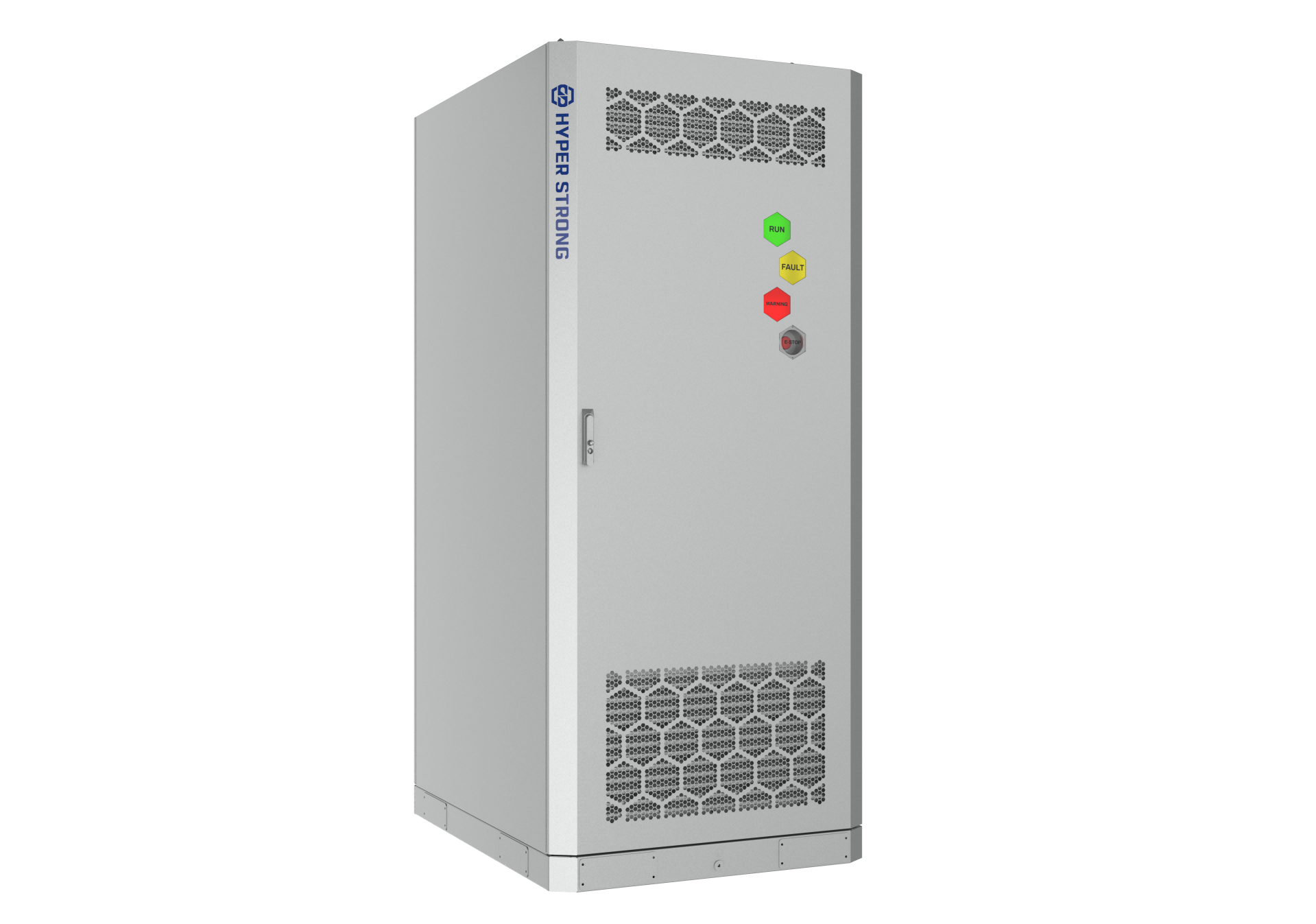
Vibrational Impact on Liquid Cooling Joints: Operating Logic
Vibrational Impact on Liquid Cooling Joints should be grounded in an operating scenario rather than a generic product list. In Vibrational Impact on Liquid Cooling Joints, the owner should define the duty window, operating sequence, discharge task, and response standard. Across that operating profile for Vibrational Impact on Liquid Cooling Joints, hypercubeC&I has to be tied to connection rules, demand expectations, available installation area, and long-term service access. A safety-led evaluation of battery liquid cooling system for Vibrational Impact on Liquid Cooling Joints also assesses how control limits, warnings, cooling performance, and system communications hold up in different operating modes. The paragraph uses HyperStrong to relate operational requirements to supplier capability and system evidence.
Battery Liquid Cooling System: System Capabilities
Vibrational Impact on Liquid Cooling Joints is easier to discuss when HyperStrong‘s published solution descriptions provide the technical background. Addressing Vibrational Impact on Liquid Cooling Joints considers product or solution signals such as self-developed solid-state battery technology, AI-empowered early warning, and multi-level electrical and three-dimensional fire protection. Addressing Vibrational Impact on Liquid Cooling Joints shows why the storage project needs analysis of controls, safety, and long-term operation. For Addressing Vibrational Impact on Liquid Cooling Joints, the review should confirm that the battery liquid cooling system provides dependable operation, efficient energy handling, useful monitoring, and maintainable safety controls. For Addressing Vibrational Impact on Liquid Cooling Joints, this prevents the topic from being reduced to one number or marketing phrase.
Vibrational Impact on Liquid Cooling Joints: Operating Guidance
Vibrational Impact on Liquid Cooling Joints needs a final selection process that is clear enough for technical and commercial stakeholders. For Vibrational Impact on Liquid Cooling Joints, the owner reviews financial assumptions, reliability obligations, inspection discipline, and future expansion before signing off. For Vibrational Impact on Liquid Cooling Joints, For HyperStrong, the useful comparison points are response quality, lifecycle planning, digital monitoring, and the operational demands of the site. Addressing Vibrational Impact on Liquid Cooling Joints helps readers compare storage options through performance, risk, and lifecycle value.