
Creating Safer Households Through Emergency Preparedness Education

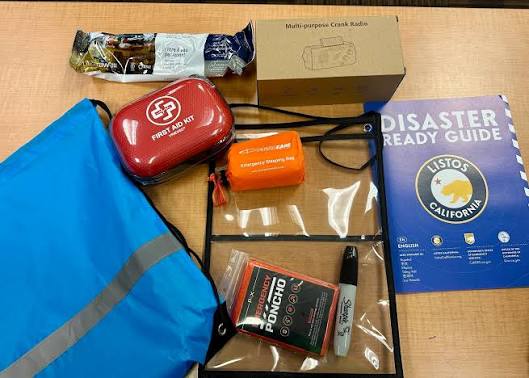
A safe household is not created by chance. It is built through awareness, planning, and the willingness to prepare for situations that may arise unexpectedly. While many people focus on locks, alarms, and home maintenance, emergency preparedness education is another important element of household safety. It equips individuals with practical knowledge that can help them respond effectively when accidents, injuries, or medical emergencies occur.
Emergency preparedness is about more than responding to a crisis. It is about developing habits and systems that make homes safer, more organised, and better prepared for everyday challenges.
Understanding Risks Within The Home
Many people think of the home as the safest place to be, yet a significant number of accidents occur in residential settings. Slips, falls, burns, cuts, and other incidents can happen during ordinary daily activities.
Emergency preparedness education encourages individuals to identify these risks before they lead to injuries. By evaluating living spaces and understanding common hazards, households can take steps to reduce preventable accidents.
This proactive strategy contributes to the development of a culture where safety is not an afterthought but rather an integral element of daily activities.
Turning Knowledge Into Practical Action
Transforming knowledge into useful action is one of the biggest advantages of disaster preparation education. Learning about safety principles is important, but understanding how to apply them in real situations is even more valuable.
People who participate in first aid training Hobart programs often gain hands-on experience that helps them develop confidence when responding to unexpected events. This practical learning allows individuals to move beyond theory and build skills that can be used in real-world situations.
As a result, they are often better prepared to act decisively when faced with challenges at home.
Establishing Household Emergency Plans
Prepared households typically have clear plans for handling emergencies. Whether dealing with severe weather, power outages, medical incidents, or household accidents, having a plan helps reduce confusion and uncertainty.
Emergency preparedness education encourages families to discuss procedures, assign responsibilities, and ensure everyone understands what to do if an emergency occurs. These discussions can improve coordination and make responses more efficient.
Simple planning measures can have a significant impact when time-sensitive situations arise.
Creating Confidence Through Preparedness
Uncertainty often leads to stress during emergencies. When people are unfamiliar with emergency procedures, they may hesitate or become overwhelmed. Education helps replace uncertainty with knowledge and confidence.
A First Aid Course Hobart can provide participants with practical skills and a clearer understanding of how to assess situations and respond appropriately. This knowledge can help individuals remain composed when unexpected events occur.
Confidence gained through education often extends into other aspects of daily life, encouraging more effective problem-solving and decision-making.
Encouraging Safety Awareness Among Family Members
Emergency preparedness is most effective when it involves everyone in the household. Children, teenagers, adults, and older family members can all benefit from understanding basic safety principles.
Education encourages conversations about hazards, emergency contacts, and safe practices. These discussions help build awareness and encourage shared responsibility for household safety.
When family members understand how their actions contribute to a safer environment, they are more likely to adopt positive habits that reduce risks and support preparedness.
Supporting Long-Term Household Resilience
Preparedness education is not only useful for immediate emergencies. It also contributes to long-term resilience by helping households adapt to challenges and recover more effectively when disruptions occur.
Individuals who complete First Aid Courses Hobart often develop a greater appreciation for planning, organisation, and preparedness. These qualities can strengthen a household’s ability to handle a variety of situations, from minor incidents to larger unexpected events.
Resilient households are often characterised by their ability to remain organised, communicate effectively, and respond constructively under pressure.
Promoting A Culture Of Continuous Improvement
Safety is not a one-time achievement. It requires ongoing attention and improvement. Emergency preparedness education encourages people to review their plans, update their knowledge, and continue developing practical skills.
This commitment to learning helps households stay prepared as circumstances change. New family members, changing health needs, and evolving household environments all create opportunities to reassess safety practices and make improvements.
Conclusion
Creating safer households through emergency preparedness education involves more than learning how to respond to emergencies. It encourages awareness, planning, communication, and resilience. By understanding risks, developing practical skills, and involving all family members in preparedness efforts, households can build a stronger foundation for safety. Emergency preparedness education provides valuable tools that help families navigate challenges with greater confidence and create environments where safety remains a daily priority.