Custom Aerosol Spray Paint Formulations: Working with an OEM Manufacturer

Developing a custom aerosol spray paint product requires careful coordination between market demand, coating technology, and manufacturing execution. Brands entering the spray coating market often face a difficult question: how can they create a product that is different from existing options while maintaining stable quality and competitive production costs?
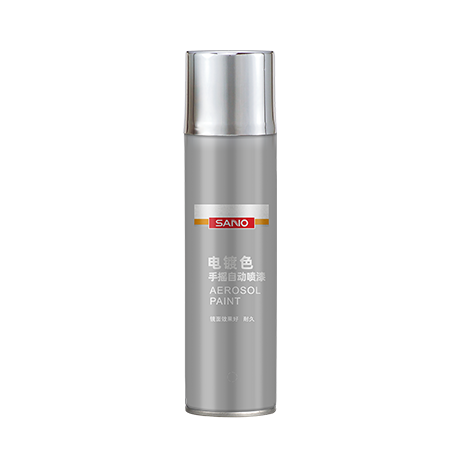
The answer depends on how well the formulation process connects customer expectations with technical possibilities. SANVO provides customized aerosol solutions by supporting product development, formulation adjustment, and manufacturing requirements for different application fields.
The Real Challenges Behind Custom Aerosol Spray Paint Development
Aerosol spray paint may appear simple from the outside, but creating a reliable product involves multiple technical considerations. The final result depends on how the coating performs before, during, and after application.
A product must not only provide attractive color but also deliver consistent spraying, suitable drying speed, and reliable surface protection. These requirements become more complicated when brands target specific industries with different usage environments.
For example, a spray coating used on decorative items may prioritize appearance and ease of use, while coatings for machinery or automotive parts may require stronger resistance against external conditions.
Understanding these differences is the foundation of effective OEM development.
Defining the Application Before Creating the Formula
One of the most important stages in customization is identifying the actual working environment of the product. The same spray paint cannot always provide optimal results across every surface and situation.
Before formulation begins, manufacturers need to understand factors such as:
Surface material and preparation condition
Indoor or outdoor application environment
Expected service life
Required finish appearance
User application method
A coating designed for metal surfaces may need different characteristics compared with a formula intended for plastic, wood, or composite materials.
By defining these requirements early, brands can avoid investing in a product that performs well in testing but fails in real customer applications.
How Formulation Decisions Affect Final Product Performance
The chemistry behind aerosol spray paint influences many aspects of the final user experience. Each component contributes to how the product behaves during storage, spraying, and after curing.
The coating system influences adhesion, flexibility, hardness, and resistance. Meanwhile, additives can affect flow, drying characteristics, and surface appearance.
A professional aerosol spray paint manufacturer evaluates these elements together rather than treating each ingredient separately. The goal is to create a balanced formula where different components work together effectively.
This approach is especially important for customized products because unique market requirements often require adjustments beyond standard formulations.
Why Spray Application Quality Influences Customer Satisfaction
Many product evaluations happen within seconds after spraying. Users immediately notice whether the coating spreads evenly, covers properly, and creates the expected finish.
A technically strong formula can still disappoint customers if the spray pattern is unstable or difficult to control. Aerosol performance depends on the relationship between paint viscosity, filling technology, valve selection, and actuator design.
During OEM development, manufacturers need to optimize the complete package rather than focusing only on the paint material.
Improving spray behavior helps users achieve better results and reduces problems caused by incorrect application techniques.
Maintaining Product Consistency During Commercial Production
Moving from a prototype to large-scale manufacturing creates a new set of challenges. A sample approved by a customer must be reproduced accurately across thousands or millions of units.
Production consistency depends on strict control of raw materials, processing conditions, filling procedures, and inspection methods.
Small variations can influence color, spray pressure, drying performance, or coating appearance. These differences may not be obvious during initial testing but can become serious issues after market release.
For this reason, brands should consider manufacturing stability as part of the development process rather than a separate production concern.
Protecting Product Value Through Proper Testing
Testing plays an essential role in confirming whether a customized aerosol product can meet its intended purpose.
Different products require different evaluation methods. Outdoor coatings may need exposure testing, while industrial applications may require resistance evaluations against chemicals or physical damage.
Testing also helps identify weaknesses before products reach customers. Adjusting a formula during development is usually more efficient than dealing with complaints after commercial launch.
A structured testing process provides confidence that the final product can perform under expected conditions.
Creating a Unique Position in Competitive Markets
The aerosol spray paint market includes many similar-looking products, making differentiation an important challenge for brands.
Customization provides opportunities to create products with specific advantages, such as specialized finishes, improved application convenience, or performance characteristics designed for a particular user group.
However, differentiation should be based on meaningful customer benefits rather than unnecessary technical features.
A successful product solves a real problem for users while maintaining practical value in terms of quality, reliability, and usability.
Building a More Efficient OEM Development Strategy
An effective OEM project depends on cooperation throughout the entire product journey. Brands need to communicate their market objectives clearly, while technical teams need to translate those objectives into achievable specifications.
The most efficient development process combines commercial understanding with manufacturing expertise. Early discussions about application needs, performance expectations, and production requirements can reduce unnecessary modifications later.
When both sides focus on creating a product that works in the real market, OEM cooperation becomes more than a manufacturing arrangement. It becomes a process for developing stronger and more competitive solutions.
Conclusion
Custom aerosol spray paint formulations require a detailed understanding of chemistry, application conditions, and customer expectations. Brands that carefully plan their product requirements and development approach can create coatings with stronger market potential.
With experience in aerosol technology and customized chemical manufacturing, SANVO supports businesses in developing solutions that meet different industry needs. A well-planned OEM collaboration helps transform product concepts into reliable aerosol products that deliver consistent performance and customer value.