
How Global Logistics Speeds Up Delivery for Major Concert Stage Screens

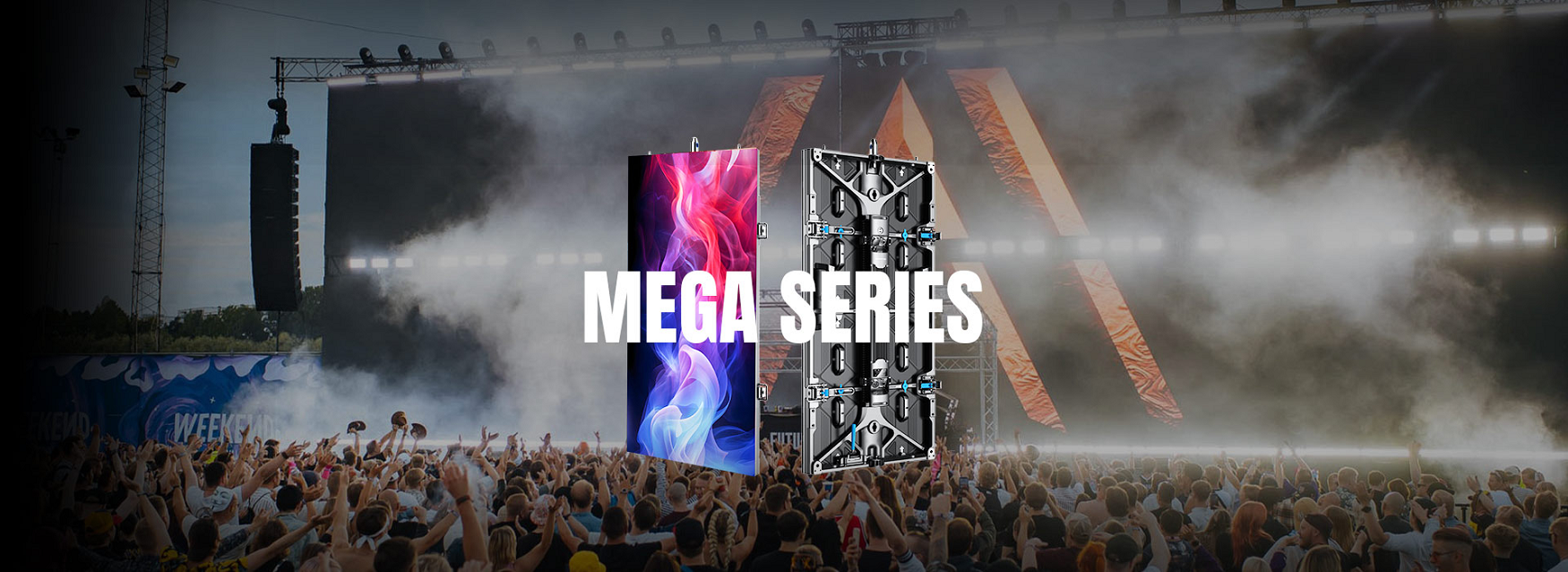
In the fast-paced global entertainment sector, the logistical execution behind a stadium-scale world tour is a massive triumph of supply chain synchronization. Coordinating back-to-back stadium dates across different continents leaves zero margin for transportation delays. When a single production requires moving hundreds of tons of high-tier hardware over thousands of miles, the efficiency of international freight networks becomes just as critical as the performance of the equipment itself. For international tour managers, selecting an elite concert stage screen network is no longer just an aesthetic choice, but a strategic decision dictated by container logistics, multi-modal transit speed, and customs processing optimization under tight deadlines.
Optimizing Intermodal Freight via Standardized Spatial Cubing
The foundational speed bottleneck in cross-border logistics is the physical interaction between the equipment packaging and standard international shipping containers or air cargo pallets. Traditional, irregularly shaped flight cases waste massive amounts of volumetric space, leading to fragmented shipping split-consignments and prolonged consolidation delays at global transit hubs. To bypass these maritime and aviation bottlenecks, leading stage LED screen rental manufacturers engineer their hardware using a strict grid of standardized spatial packaging cubing. Designing high-density modular cabinets that lock directly into proprietary, stackable transport dollies allows logistical systems to eliminate dead space within standard shipping containers. This architectural optimization ensures that maximum hardware volume fits into a single cargo plane or ocean vessel, drastically lowering transportation overhead and securing immediate clearance during tight flight schedules.
Streamlining Cross-Border Customs via Standardized Certification
Navigating international customs borders and port-of-entry inspections represents one of the most volatile risk factors in global event logistics, frequently causing unexpected administrative hold-ups that can compromise an entire tour itinerary. When massive technical cargo shifts across jurisdictions—such as moving from manufacturing centers in Asia to major rental hubs in Europe or North America—customs officials require exhaustive documentation regarding electrical compliance, material safety, and intellectual property. High-tier systems minimize these border-control friction points by securing comprehensive global industrial certifications beforehand. Ensuring that every panel and power box fully complies with international standards allows transit paperwork to process through automated shipping lanes, preventing costly multi-day visual assets from being stranded in seaport holding yards between event dates.
Enhancing Hub-and-Spoke Distribution Networks for Rapid Deployment
The true acceleration of global delivery relies on a sophisticated hub-and-spoke warehousing strategy executed by specialized international logistics networks. Instead of shipping a massive outdoor rental LED screen array all the way from a single central warehouse to a distant event site for every individual order, global providers strategically position identical, high-volume inventory pools across major international transport corridors. When a prominent festival or global touring production places an order, advanced supply chain software instantly calculates the shortest geographic path, deploying the heavy equipment from the nearest regional logistics hub. This distributed staging network ensures that local transport trucks only need to handle final-mile delivery, completely insulating the event timeline from long-distance shipping disruptions and guaranteeing rapid on-site setup anywhere in the world.
Conclusion: Logistics as the Ultimate Enabler of Live Spectacles
Ultimately, the awe-inspiring magic of a global stadium production is only made possible by the invisible, precision-guided machinery of global logistics. Industry innovators like YES TECH prove that competing at the highest level of the entertainment market requires looking beyond basic visual engineering in the MEGA series to master the harsh physical laws of global supply chains. By aligning hardware ergonomics perfectly with international cargo dimensions, minimizing cross-border regulatory friction, and taking advantage of localized distribution networks, they have successfully redefined the speed of global event support. It is this intense dedication to logistical fluidity that empowers international production teams to execute flawless, zero-failure stadium setups worldwide, transforming complex shipping challenges into seamless artistic triumphs.