
Monopoly and Heraldry: The Game’s Coat of Arms and Its Historical Inspirations

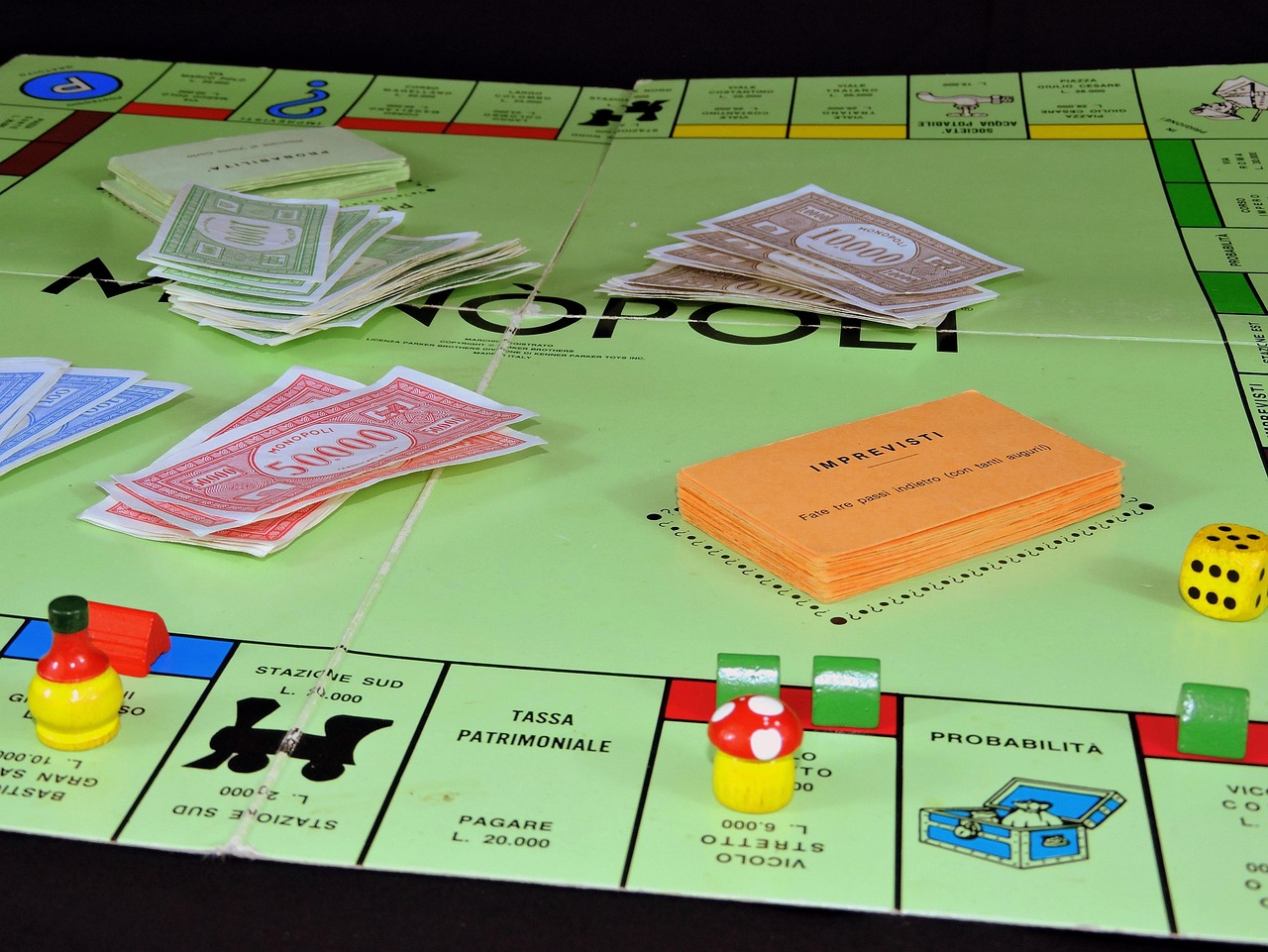
Board games have always incorporated visual elements that reflect the cultural and artistic sensibilities of their times. The iconic imagery of Monopoly is one of the most recognisable visual systems in tabletop gaming history, with elements that parallel traditional heraldic devices.
Modern adaptations, including casino monopoly live game versions, continue this visual tradition while bringing the classic experience into digital formats. The game’s iconic imagery has become synonymous with property trading and capitalist enterprise. However, some of the classic symbols have a way longer history.
The Heraldic Tradition and Board Game Iconography
Heraldry emerged in medieval Europe as an identification system through distinctive shield designs displayed. Similarly to medieval coats of arms that instantly identified noble houses, the Monopoly board functions as a visual language immediately recognisable across cultures.
The characteristic colour scheme, typography, and iconic figurative elements create a visual “coat of arms” that has remained remarkably consistent through decades of production and international adaptation. This visual consistency mirrors one of the fundamental principles of heraldry: the importance of standardisation and recognisability.
The Rich Man Logo as a Heraldic Figure
The central figure in Monopoly iconography — widely known as Rich Uncle Pennybags or Mr Monopoly — functions as the primary heraldic charge (central figure) in the game’s visual language. This moustachioed character with a top hat and formal attire represents a distinctive heraldic device that serves as the central identifying element of the Monopoly brand.
In traditional heraldry, human figures often represented specific virtues or qualities. Kings, knights, and saints appeared as charges communicating ideals of leadership, chivalry, or piety. The Rich Man character also embodies specific cultural values — namely, financial success and economic power. This makes him an effective heraldic device for a game centred on wealth accumulation.
Tokens as Personal Devices
Medieval knights often displayed personal devices alongside family coats of arms — individual symbols representing personal qualities or aspirations. The classic Monopoly tokens have very similar functions.
The Top Hat: Symbol of Social Status
The top hat token is one of the most enduring Monopoly pieces, and it displays a clear connection to heraldic symbolism. In medieval heraldry, crowns, coronets, and helmets frequently appeared as charges that signified rank and social standing.
The top hat serves a parallel function as a symbol of aristocratic or wealthy status from the 19th and early 20th centuries. As a heraldic device, it effectively communicates social elevation and financial success — central themes in Monopoly.
The Scottie Dog: Fidelity and Noble Heritage
Animal figures are among the most common charges in traditional heraldry, with each species carrying specific symbolic meanings. Lions signified courage and strength, eagles represented power and farsightedness, and dogs often symbolised loyalty and fidelity.
The Scottie dog token, introduced in the 1950s, became one of the most popular Monopoly pieces. In heraldic terms, this figure connects to a rich tradition of symbolism. Hunting dogs frequently appeared in medieval coats of arms, representing aristocratic pursuits and the valued qualities of loyalty and alertness.
The Iron: Domestic Labour and Commoner Heritage
While many heraldic charges focused on martial or noble themes, some medieval coats of arms incorporated tools to represent trades or common labour. The Monopoly iron token (retired in 2013) makes a fascinating parallel to these workmanlike heraldic devices.
The iron symbolised domestic labour (historically, women’s work), providing an interesting counterpoint to the more aristocratic symbolism of the top hat. This juxtaposition mirrors the social diversity often found in collections of medieval coats of arms, where noble and common imagery coexisted within the formal language of heraldry.
The Board as Heraldic Shield
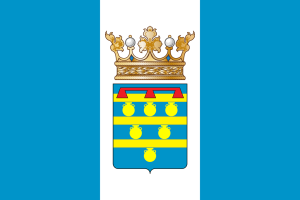
In classical heraldry, the shield served as the fundamental canvas for armorial display. In a way, the Monopoly board functions similarly.
Colour Divisions and Heraldic Partitioning
Medieval shields were frequently divided into sections of different colours following standardised patterns. These partitions created the background for more specific charges and devices.
The Monopoly board demonstrates similar organisational principles with its colour-coded property groups. Like heraldic partitioning, these colour blocks create visual organisation while conveying specific information. The hierarchical arrangement of property values mirrors the status significance of different colours and metals in heraldry, where gold and silver (or in heraldic terms, or and argent) outranked colours like red, blue, and green.
Community Chest and Chance: Heraldic Ordinaries
Ordinaries, certain geometric shapes like crosses, chevrons, and saltires, formed the basic building blocks of many coats of arms. Here, the most obvious Monopoly parallel ties to the Community Chest and Chance spaces. The distinctive chest and question mark symbols on these spaces serve as simple, recognisable charges that communicate their function.
The Evolution of Monopoly’s Visual Identity
Most family coats of arms have evolved over generations but still managed to maintain their core elements. Monopoly follows in their footsteps, as its visual identity has undergone reasonable change throughout its history. Special editions introduce new colour schemes and thematic elements, and yet they preserve the fundamental visual structure that makes this game instantly recognisable.
The Globalisation of Monopoly Heraldry
Historically, families tend to grow, so heraldry often developed regional variations. Monopoly, once again, shares this story. International versions of the game adapt to local contexts, often substituting properties with local references. However, the game’s visual foundation remains unchanged.
This balance between consistency and adaptation mirrors the historical spread of heraldic traditions across Europe, with local interpretations emerging on already established heraldic principles. The global recognition of Monopoly’s visual language demonstrates how effectively its symbols function across cultural and national borders.
Conclusion
The visual language of Monopoly demonstrates remarkable parallels with traditional heraldic systems both in form and function. From the iconic character that serves as its central charge to the distinctive tokens that function as personal devices, the game has created a modern symbolic system that communicates values and identity through visual means.
This relationship between board game iconography and historical heraldry reveals how visual communication systems evolve across centuries. At the same time, the fundamental principles behind the game and its symbols remain largely unchanged.